

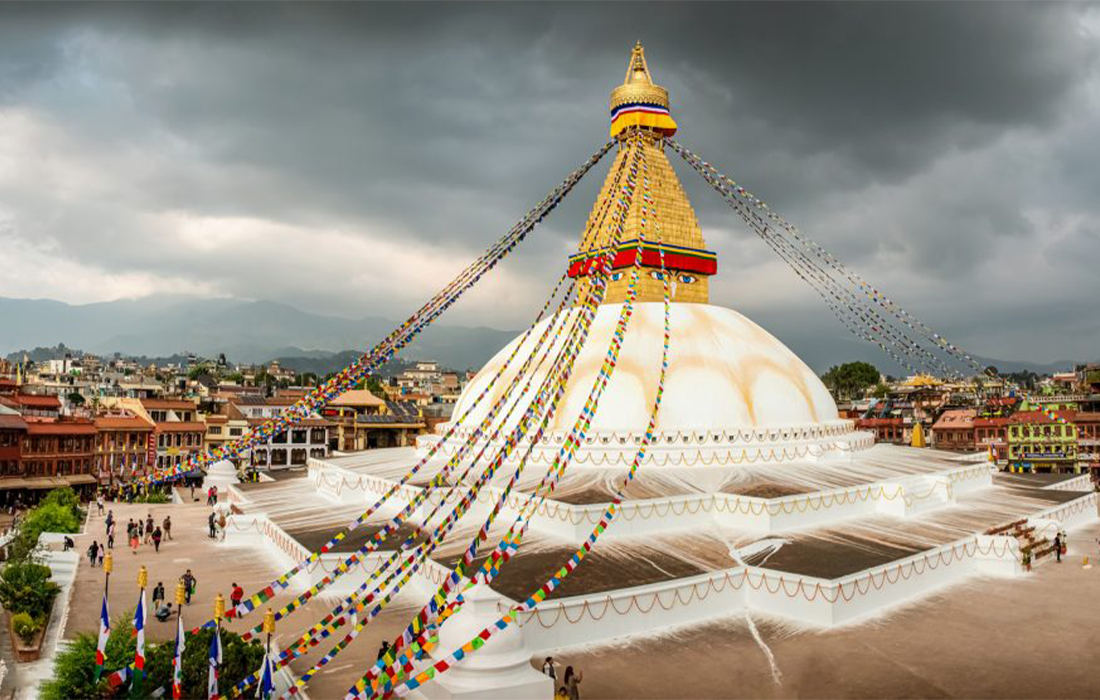

नेपालमा डिजिटल रूपान्तरण र पर्यटन
सामाजिक सञ्जाल र अन्तरक्रियात्मक डिजिटल प्लेटफर्महरूको उदयले मानिसहरूले परम्परागत रूपमा पर्यटन अनुभव गर्ने तरिकाहरू परिवर्तन गरेको छ। टेक्नोलोजी एक विश्वव्यापी घटना बनेपछि, पर्यटन उद्योग डिजिटल रूपान्तरणलाई अँगाल्ने पहिलो क्षेत्रहरू मध्ये एक थियो। डिजिटाइजेसनले मानिसहरूलाई डिजिटल प्लेटफर्महरू मार्फत नयाँ ठाउँहरू, संस्कृतिहरू, समुदायहरू र थप कुराहरूमा उजागर गरेको छ। विश्वभरका पर्यटन उद्यमहरू पनि गियरहरू बदल्न र अनलाइन प्लेटफर्महरू मार्फत होटल कोठा, ट्राभल प्याकेजहरू र उडानहरू जस्ता आफ्ना उत्पादनहरू बेच्न द्रुत थिए। नेपालमा स्मार्टफोन, सामाजिक सञ्जालको बढ्दो प्रयोग र अनलाइन सामग्रीको खपतमा पनि यस्तै घटना देखिएको छ ।
भौतिक रूपमा सोधपुछ, बुकिंग, र भुक्तानी गर्ने समय-उपभोग गर्ने अभ्यासबाट अनलाइन बुकिङ, ई-कमर्स प्लेटफर्महरू र सोसल मिडिया मार्केटिङ अभियानहरूको झन्झटरहित र सुरक्षित प्रक्रियामा परिणत हुने गरी सोधपुछलाई छिटो बनाउँदै पर्यटनमा ठूलो परिवर्तन आएको छ। डिजिटलाइजेशन भित्रको विकास प्रक्रियाले विश्वलाई अद्वितीय उत्पादन, सेवा र गन्तव्यहरूको पोर्टफोलियो प्रदान गरेको छ, जसले सफल र प्रतिस्पर्धी बजारमा थप योगदान पुर्याएको छ। यात्राको बढ्दो माग र अहिले पर्यटन क्षेत्रमा नयाँ आविष्कारको आवश्यकता अत्यावश्यक छ। यो नेपालका लागि बढी सत्य हो, किनकि देश धेरै हदसम्म राजस्वका लागि पर्यटन क्षेत्रमा निर्भर छ।
डिजिटलाइजेशन र पर्यटन
बढ्दो डिस्पोजेबल आम्दानी, बढ्दो बजार र अझ महत्त्वपूर्ण कुरा, मानिसहरूको मनोवृत्ति परिवर्तनको साथ विश्वभर यात्राको प्रकृति वर्षौंमा विकसित भएको छ। यसले, डिजिटलाइजेशनको वृद्धिसँगै मानिसहरूलाई पर्यटनलाई जीवनशैलीको विकल्प र कम विलासिताको रूपमा हेर्ने झ्याल प्रदान गरेको छ। यी यात्रा अवरोधहरू इन्टरनेट र सोशल मिडियाको मद्दतले सफलतापूर्वक पार गरिएको छ, जहाँ धेरै भन्दा धेरै मानिसहरू संस्कृति र भौगोलिक अनुभव गर्न इच्छुक छन् जुन उनीहरूले मूल रूपमा स्क्रिनमा वा प्रिन्टमा देखेका छन्। डिजिटाइजेसनको उदयले अन्तर्राष्ट्रिय पर्यटनमा बृद्धिलाई गति दिएको छ र मानिसहरू नयाँ ठाउँहरूको बारेमा सिकेर आफ्नो क्षेत्रबाट बाहिर घुम्न विश्वस्त भएका छन्। नेपालमा पनि यो प्रवृत्ति बढ्दै गएको छ । नेपालीहरुको बढ्दो अध्यागमनसँगै स्मार्टफोन/सामाजिक सञ्जालको प्रयोग र भिसा प्राप्त गर्ने सहजताले कामका लागि यात्रा र फुर्सदलाई पनि धेरै सुलभ बनाएको छ।
For the longest time, the global tourism industry was based on personal connections, which meant travelers’ decisions were determined by the agency/enterprise they would seek assistance from, however, with the emergence of technology, travelers are now more competent to understand the market, survey their choices and make a decision. The world of codes and algorithms has transformed the way we consume information. With a personalized and filter-based system to choose products, a consumer can be directed to their most preferred choice by simply surfing the internet. These efficient systems that work on reviews and preference has made travel to unique and unexplored place very popular. The onset of social media platforms has further facilitated the increase of digital tourism by allowing consumers to learn, and experience new destinations from the comforts of their home.
The outbreak of COVID-19 in 2020, drastically impacted tourism in Nepal. The government campaign, “Visit Nepal 2020” had received great reactions globally, however, the pandemic restricted all forms of tourism. In fact, travel restrictions and border closures led to a 95.3% decline of international arrivals across Asia. While physical tourism became almost impossible, digital tourism bridged the gap between destinations and travelers. In Asia and Pacific countries, smartphone usage increased from 54.13% in 2019 to 58.56% in 2020, and the internet penetration soared by 10% from 2019 to 2020. The mass consumption of e-tourism materials during the pandemic promoted further travel to new destinations in the post-pandemic era.
Tourism and Digital Transformation in Nepal
Even today, a large portion of tourism operations in Nepal is conducted manually as the country’s digital policies are still underway development in areas of information and communication technology (ICT). While there have been innovations within the tourism sector of Nepal from both the government and the travel industry, social media have played a key role in promoting digital tourism. The increase in travel vlogging channels on YouTube, food accounts on Instagram, online booking for hotels, activities, and services have attracted a diverse personalities of travellers to Nepal.