

Why Nepal’s tourism campaigns have—and haven’t—worked
The government on Wednesday launched Visit Nepal 2020, an ambitious campaign that hopes to draw 2 million foreign tourists over the year. Nepal, a country highly dependant on the import of foreign goods and services, values tourism as a source of foreign currency and the means to sustaining a booming hospitality industry. Beyond the major attractions of mountaineering, trekking and sightseeing, tourism is also benefiting communities, with homestays, mostly in indigenous settlements, becoming much more popular in recent years.
From the hippie paradise to Shangri-La and Naturally Nepal: Once is not enough, Nepal has attempted to change its brand identity to Lifetime Experiences in a bid to position the country as one of the world’s most unique value destinations.
Read: Nepal is pedalling towards a new form of tourism
Considering that past tourism campaigns have by and large been successful in giving a boost to the industry in difficult times, even if they didn’t exactly achieve the set goals, this new initiative has also given hope to tourism entrepreneurs. But there are challenges aplenty in making the most out of the national push.
Here’s everything you need to know about Nepal’s major tourism campaigns and the prospects of Visit Nepal 2020.
How was Visit Nepal 2020 announced?
The federal budget presented by Finance Minister Yubaraj Khatiwada in 2018 announced the Visit Nepal 2020 campaign with the goal of attracting 2 million foreign tourists to recoup financial losses incurred during the 2015 earthquakes.
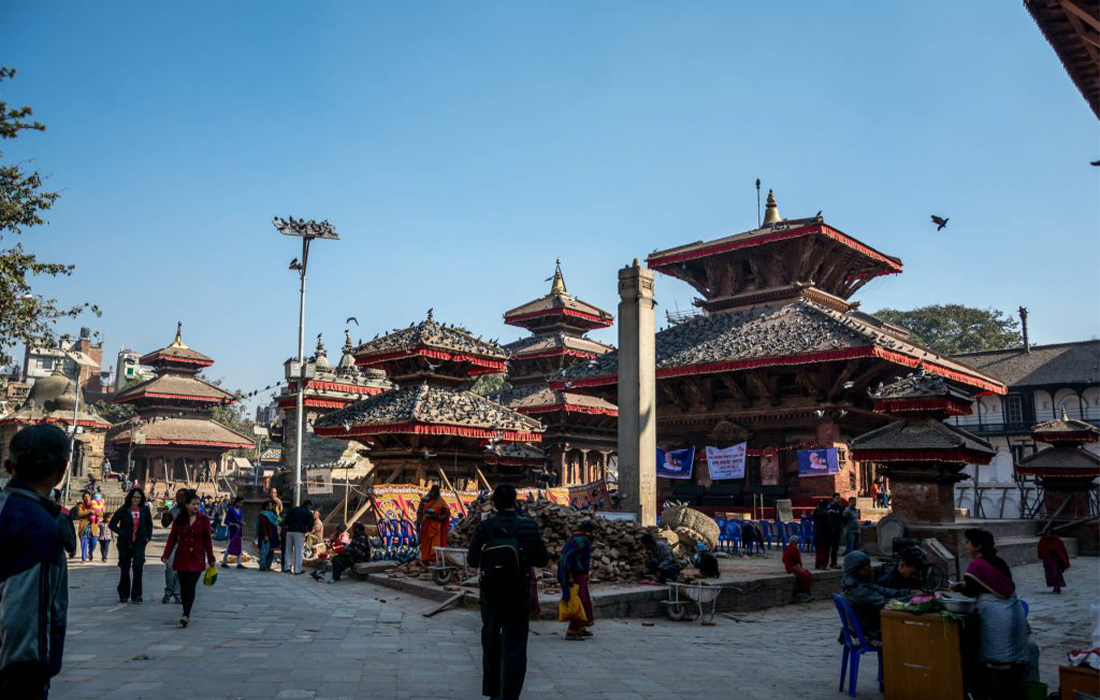
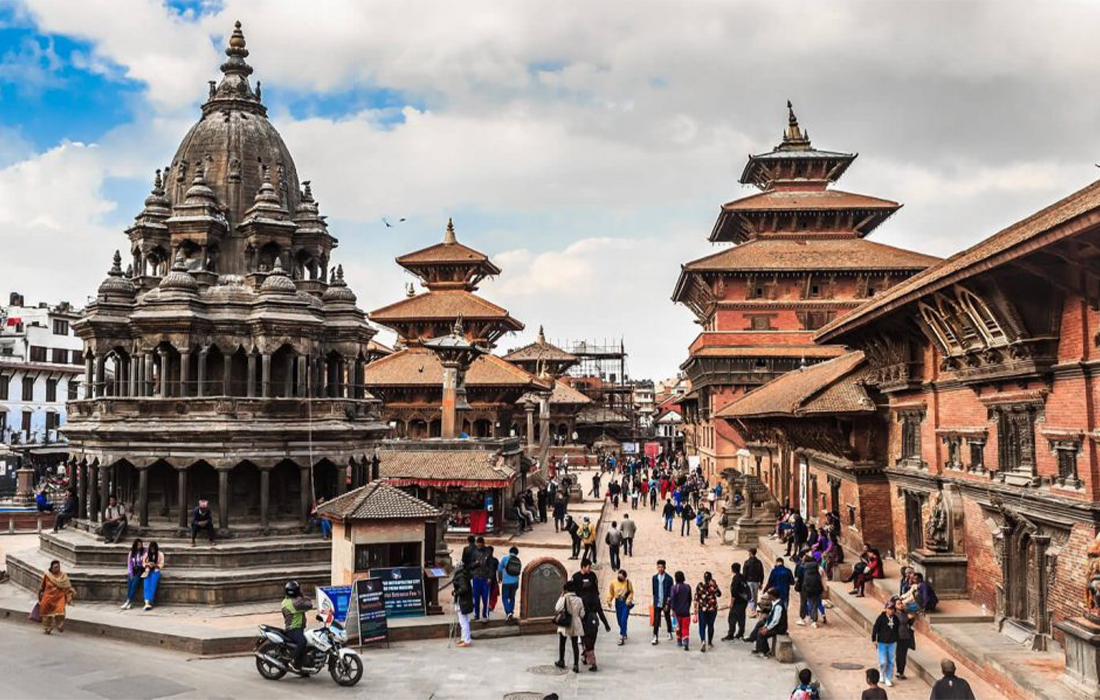
The 2015 earthquakes of April 25 and May 12 affected almost half of Nepal’s districts, including hard-to-reach mountain areas. Nearly 9,000 people lost their lives and more than 22,000 were injured. Nine out of 10 planned foreign arrivals were cancelled in the aftermath of the quakes. The earthquakes also caused massive damage to seven out of 10 World Heritage Sites in the Kathmandu Valley and affected popular trekking destination.
The massive coverage of the Nepal earthquake in the international media was disastrous for the recovery of tourism in Nepal. The global press coverage of the earthquakes was estimated to have a bigger impact, as it discouraged international tourism in the short and medium terms.
The Post-Disaster Needs Assessment report, prepared in June 2015 by the National Planning Commission, had urged the government to announce 2017 and 2018 as Visit Nepal Years to assure visitors that reconstruction and rehabilitation would be completed by then. The objective was to help foreigners feel safe enough to travel to Nepal.
However, the Tourism Ministry postponed the planned campaign until 2020 due to the slow pace of road and airport upgradation and heritage restoration projects. After conducting a proper assessment, the government officially declared the campaign for 2020.
Tourists are a delight for curio traders. Post File Photo
Why are tourism campaigns necessary?
According to Deepak Raj Joshi, former chief executive officer of the Nepal Tourism Board, Nepal has positioned itself as a top country for tourism resilience, as it overcame devastating effects of the 2015 earthquakes within a year.
Foreign tourist arrivals to Nepal plummeted to 539,000 in 2015, a loss of almost a third. In the same year, the industry was also affected by a crippling border blockade imposed by Indian after the promulgation of the constitution. Despite the twin disasters, Nepal’s tourism experienced a dramatic turnaround, recording a jump of 39.71 percent in tourist arrivals to 753,002 in 2016. The country received 940,218 tourists in 2017, up 24.86 percent from 2016.
Recent Posts
-
Work of making the climbing route in Ilam continues
Under the coordination of World Record holder Mount Everest Climber and Goodwill Ambassador of Il
-
-
Tracing Nepal’s cultural history in Beijing
Six years ago, when we visited Miaoying Temple, which houses the White Dagoba built by Nepali art
-
Defining our food culture
Nepal’s food is as culturally diverse as it is geographically and ethnically. But many of u